
Blog · 2026-09-24
Guide
AC and DC charging, in plain language
When a business in Telangana or Andhra Pradesh should plan AC charging, and when a site actually needs DC fast charging.
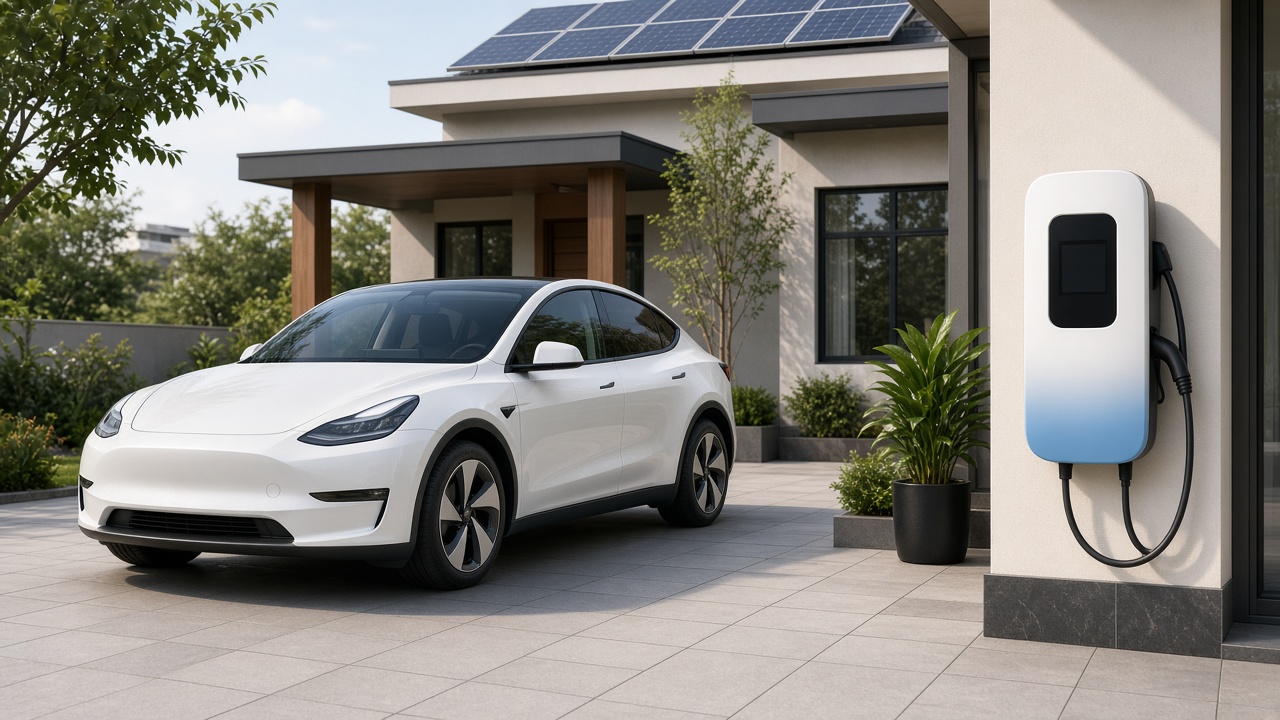
AC charging is the right default for cars that stay parked: homes, offices, hotels and depots with dwell time. The vehicle converts AC to DC on board, so the speed is capped by that onboard charger as well as by the wall unit.
DC fast charging is for people who need to leave. The charger sits outside the car’s slower onboard stage and feeds the battery more directly. It needs a much stronger electrical connection, space for equipment, and a vehicle that will accept that power.
A brochure line about charging in twenty minutes describes a best-case fast-charging stop. The car, the state of charge and the charger rating all change the result. We do not quote twenty minutes as a promise.
Specifications published in our material — CCS2 connectors, OCPP, IP55 and the power classes named on the brochure — are a starting point. The model in the proposal has to match a datasheet before it is ordered.
If the same site also has a solar roof, the useful question is how much of the daytime load the roof can cover, and whether cars are even present while the sun is out. Fleet depots and highway bays answer that question differently.
Want this applied to your roof or car park?
Get a free quote range from your bill and PIN, or book a site visit and we will look at the property itself.